 By Oral Hygiene Made Simple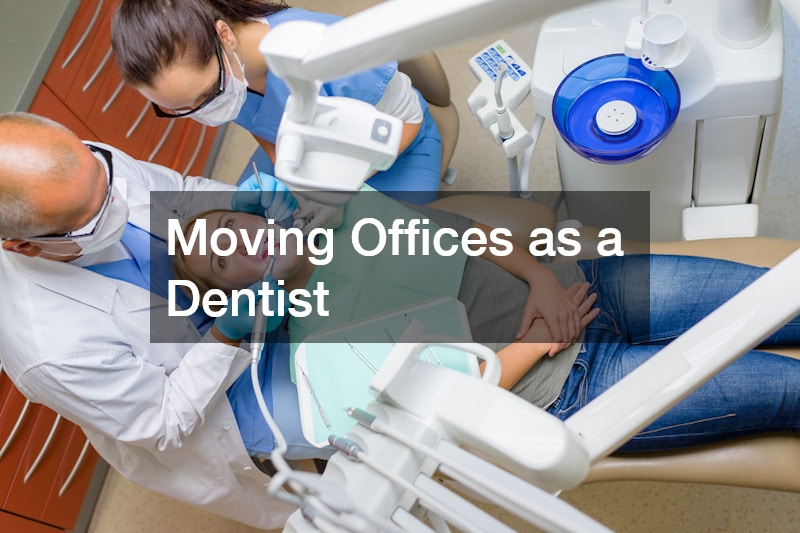
Moving Offices as a Dentist
Relocating a dental practice is a monumental task that bridges the gap between clinical excellence and logistical mastery. It is not merely about moving chairs and computers; it is about recreating a sterile, technologically advanced environment where patient trust is maintained and business growth is accelerated. For many practitioners, a move is the ultimate opportunity to shed the constraints of an older facility and embrace a layout that reflects modern workflows and aesthetic sensibilities.
However, the complexities of moving a healthcare facility are unique. When creating your new dentist office, you are dealing with heavy, sensitive machinery, strict regulatory compliance, and the delicate task of ensuring your patient base follows you to the new coordinates.
Preparing the Foundation for a New Facility
The success of a relocation is often decided months before the first box is packed. Site selection is a strategic exercise in demographic analysis and infrastructure assessment. You must determine if the local population can support your growth targets and if the physical building can handle the literal and figurative weight of a modern practice. Unlike a standard retail space, dental offices require reinforced flooring for heavy imaging equipment and specialized plumbing for suction and water lines.
From a business perspective, the financial transition is just as critical as the physical one. This is the ideal time to audit your practice’s financial health and prepare for the tax implications of such a significant move. Engaging professional tax services is essential during this period to manage the depreciation of newly purchased equipment and to ensure that the closure of your previous location is handled according to state and federal guidelines. They can also help you navigate the various tax credits available for building improvements or energy-efficient upgrades in your new suite.
Beyond the numbers, you must consider the continuity of care for patients who may have mobility issues or complex health histories. If the transition takes longer than expected, you might need to coordinate with local home care services to ensure that homebound patients or those requiring post-operative checkups aren’t left without a point of contact. This level of foresight demonstrates that your commitment to patient well-being extends beyond the physical walls of your clinic, fostering a deeper sense of loyalty during a time of change.
Finally, the administrative burden of moving cannot be ignored. You will need to update your credentials with every insurance provider in your network, which can often take sixty to ninety days to process. Failure to synchronize these updates with your opening day can result in denied claims and frustrated patients. By staying organized and starting this process early, you ensure that your revenue stream remains steady as you transition into your new professional home.
Demographic Mapping:
Use heat maps to identify where your current patients live and ensure the new location remains accessible.
Lease Negotiations:
Ensure the “Tenant Improvement” allowance covers the high cost of specialized dental plumbing and electrical work.
Regulatory Paperwork:
Notify the state board and update your NPI (National Provider Identifier) data as soon as the lease is signed.
Designing the Modern Clinical Space
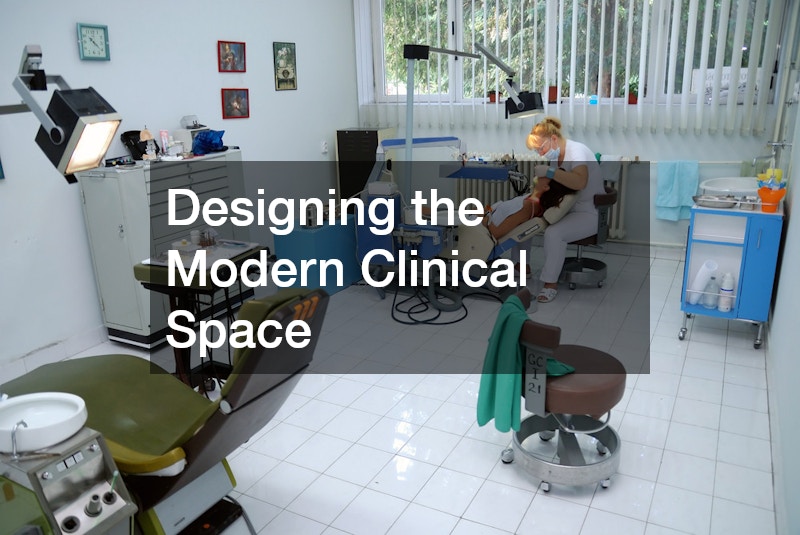
A new office is a blank canvas for productivity. In your previous location, you may have been limited by the existing walls; here, you can design a flow that minimizes “travel time” for your assistants and maximizes comfort for your patients. The centerpiece of this design is the operatory, where the dentist must have everything within a 3-foot radius to maintain ergonomic health. The placement of the delivery unit, the assistant’s instrumentation, and the patient chair should allow for seamless four-handed dentistry.
Patient perception is heavily influenced by the visual environment of the clinical area. To create an atmosphere of transparency and space, many designers utilize large mirrors in the corridors and consultation rooms. This not only makes smaller footprints feel expansive but also serves as a functional tool during cosmetic consultations. When a patient can clearly see their smile from multiple angles, they are more likely to engage with treatment plans. Furthermore, the lighting in these areas should be color-corrected to ensure that shade matching for crowns and veneers is accurate under all conditions.
Ergonomics extends beyond the clinical chair to the administrative front desk and the breakroom. A staff that is physically comfortable is a staff that provides better patient care. Consider adjustable-height workstations for your billing team and supportive seating that prevents the repetitive strain injuries common in high-volume practices. When your team sees that you have invested in their physical health during the redesign, morale increases, which significantly smooths over the inevitable hiccups of the moving process.
Incorporate natural elements into the design to reduce patient anxiety, a concept known as biophilic design. Large windows that provide views of greenery or the strategic placement of indoor plants can lower heart rates and make the dental experience feel less clinical and more therapeutic. By balancing high-tech utility with high-touch comfort, you create an environment where patients feel safe, valued, and relaxed from the moment they check in.
Zoning the Office:
Clearly separate the “public” zones (waiting area) from the “clinical” zones (operatory and sterilization) to maintain privacy.
Sterilization Hub:
Design a linear “Dirty-to-Clean” workflow to eliminate the risk of cross-contamination and meet the latest infection control standards.
Technology Integration:
Build in extra conduits for future fiber-optic cables or digital scanning hardware that you may add in the coming years.
Managing Specialized Equipment and Hazardous Materials
The most nerve-wracking part of a dental move is the relocation of high-value machinery. Panoramic X-rays, 3D cone-beam computed tomography (CBCT) units, and CAD/CAM milling machines are sensitive to vibration and tilt. Most manufacturers require certified technicians to decommission and recommission these units to maintain warranty status. Even the gases used in the office require specialized handling; for example, if you utilize specialized imaging or gas-driven systems, a helium leak detector might be used to ensure that pressurized lines are perfectly sealed before they are hidden behind new drywall.
Reliability is the heartbeat of a dental practice. A sudden power outage can ruin a digital scan or, more importantly, leave a patient mid-procedure in a dark room. During the build-out, installing a commercial-grade generator is a non-negotiable investment. This ensures that your refrigeration units—holding thousands of dollars in temperature-sensitive anesthetics and materials—stay powered, and your computers remain online to protect patient data. A robust backup power system is a hallmark of a practice that prioritizes safety and continuity above all else.
Consider the complexity of the IT infrastructure required to support modern digital dentistry. Your intraoral cameras, digital sensors, and practice management software must be seamlessly integrated into the new network. It is often wise to hire an IT firm that specializes specifically in medical or dental offices to ensure that your server transitions are HIPAA-compliant and that your cybersecurity protocols are upgraded to meet current standards during the hardware migration.
Additionally, the relocation of hazardous materials like mercury (if still using amalgams), lead foil, and chemical disinfectants requires strict adherence to environmental safety protocols. You cannot simply pack these items into a standard moving truck. Specialized hazardous waste disposal or transport services must be utilized to ensure that you are not in violation of local environmental laws, protecting both the public and your professional license from potential liability.
Equipment Audit:
Create a detailed inventory of every piece of equipment, including serial numbers and warranty expiration dates.
Utility Calibration:
Ensure your air compressors and vacuum pumps are placed in a sound-dampened room to keep the clinical environment quiet.
Radiation Safety:
Conduct a post-move radiation survey to ensure all X-ray units are properly calibrated and that lead-lined walls are providing adequate shielding.
Maintaining Operational Continuity During the Transition
The physical act of moving a business often generates an incredible amount of waste. From outdated patient files that have been digitized to old operatory cabinetry that no longer fits the new aesthetic, you will find yourself purging years of accumulated clutter. Coordinating a dumpster rental well in advance of moving week is vital. Having a large-scale disposal solution on-site allows your team to clear out the old space systematically, ensuring you aren’t paying to move items that will ultimately be discarded.
As you transition into a modern health environment, the standards of the facility must match the professionalism of the care provided. It is standard practice in all modern dental clinics to enforce a strict policy regarding tobacco products and vaping. Your new lease likely includes clauses prohibiting these substances within a certain radius of the entrance, but as a healthcare provider, maintaining a smoke-free campus is about more than just a lease agreement—it is about the health of your staff and the respiratory comfort of your patients.
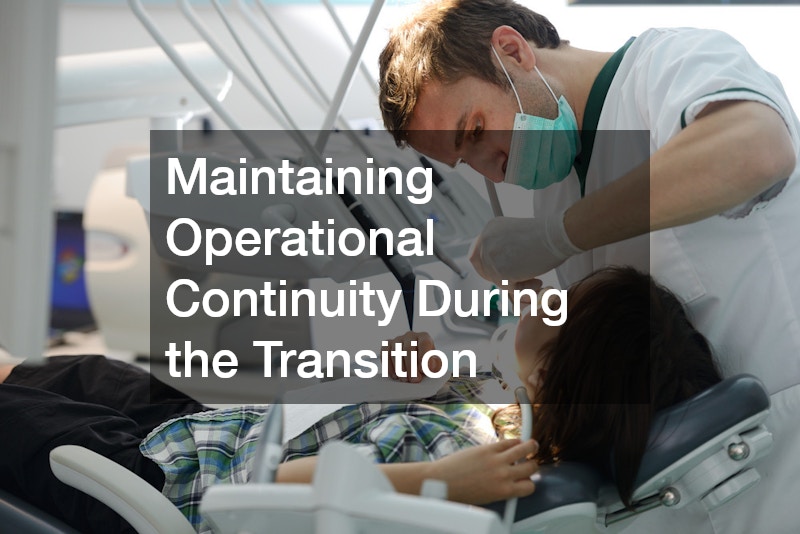
Staff training in the new space is an essential but often overlooked step. Each operatory might be oriented differently, and the location of emergency supplies like the AED or medical oxygen may have changed. Schedule several walkthroughs where the team practices moving from the reception area to the clinical bays. This reduces the “first-day jitters” and ensures that the team can operate with the same muscle memory they had in the previous location, keeping the patient experience smooth and professional.
Inventory management also needs a “reset” during a move. Use the packing process as an opportunity to discard expired materials and reorganize your supply chain. Implementing a digital inventory tracking system during the move can help you avoid over-ordering in the first few months. By starting with a lean, organized supply closet in the new office, you reduce overhead costs and ensure that your clinical team always has exactly what they need at their fingertips.
Moving Week Timeline:
Schedule the move for a Wednesday through Sunday to minimize the number of lost “production days.”
IT Migration:
Your server move is the most critical digital step; ensure you have a “warm” backup of all patient data stored in the cloud before the hardware is unplugged.
The “Dry Run”:
Spend one full day with the staff in the new office without patients. Practice a mock emergency, test the phones, and ensure every drawer is stocked.
Patient Retention and Marketing the New Practice
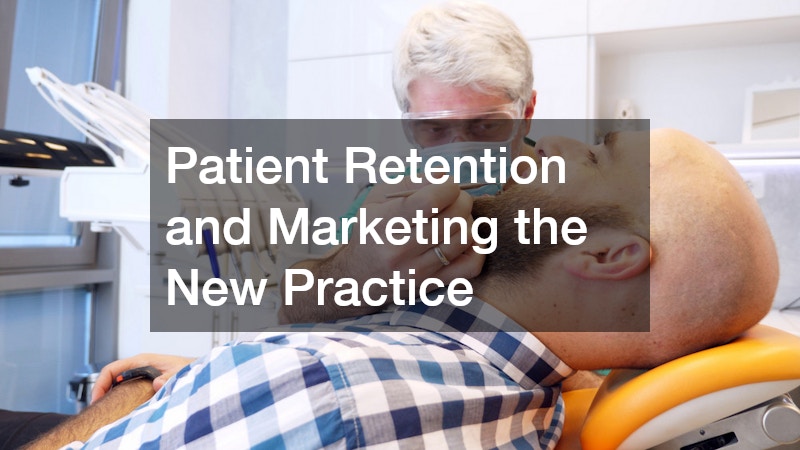
The ultimate measure of a successful move is how many patients walk through the new front door. Communication should be multichannel: emails, physical mailers, and social media updates. This is also the time to market your practice as an upgraded version of its former self. If your new facility has the space for advanced technology, use the move as a springboard to discuss services like teeth straightening and clear aligner therapy. Highlighting these modern, lifestyle-oriented treatments can attract a younger, tech-savvy demographic in your new neighborhood.
As you settle in, remember that your identity as a local dentist is your strongest asset. People don’t just choose a clinic; they choose a person they trust. Update your Google Business Profile, Yelp, and Healthgrades listings immediately to reflect the new address. A move is essentially a “grand re-opening,” giving you a valid reason to reach out to dormant patients and invite them to see the new space. When the local community sees a fresh, state-of-the-art office, it reinforces the idea that you are an industry leader committed to providing the best possible care.
Utilize the excitement of the move to host an open house event for the neighborhood. Invite local business owners, school administrators, and families to tour the facility. Offering small incentives, like a free consultation or a “new neighbor” gift bag, can lower the barrier to entry for prospective patients. This face-to-face interaction builds community ties that digital marketing alone cannot achieve, establishing your practice as a welcoming and permanent fixture in the area.
Finally, pay close attention to your online reputation during the first ninety days post-move. Patients may occasionally get lost or find the new parking situation confusing; addressing these issues immediately through polite replies to online reviews shows that you value patient feedback. By proactively managing the “on-the-ground” logistics of the patient arrival experience, you ensure that the physical move translates into a positive psychological shift for your entire patient base.
The Announcement Packet:
Include a map of the new location, parking instructions, and a “new office” discount code for elective procedures.
Neighborhood Outreach:
Drop off branded toothbrushes and business cards at local coffee shops and pharmacies near the new site.
Internal Marketing:
Place “We are moving!” signage in the old office at least 90 days before the transition to ensure no patient is surprised.
Relocating your dental practice is a complex, high-stakes project that demands meticulous planning and a dedicated team. By viewing the move as a strategic evolution rather than a logistical chore, you can transform the stress of transition into the excitement of growth. The transition from your old operatory to your new clinical home is a rare opportunity to refine your workflows, upgrade your technology, and re-introduce yourself to your community. When you prioritize the safety of your equipment, the comfort of your patients, and the clarity of your professional vision, your new office will become more than just a place of work—it will become a testament to your commitment to excellence in oral healthcare.