 By Oral Hygiene Made Simple
A healthy smile is not something you achieve once and keep forever without effort. It evolves with you. The habits that protect a toddler’s first teeth are different from the strategies that preserve enamel in your 40s or support jawbone strength in your 70s. Hormones change. Stress levels shift. Diets, medications, and lifestyle habits all play a role.
The good news is that protecting your smile at every stage of life is less about perfection and more about consistency. With the right knowledge and small, sustainable adjustments, you can prevent many of the most common dental problems before they become painful, expensive, or complicated.
Below, we’ll walk through practical, age-specific strategies that help you stay ahead of issues—so your smile stays strong, functional, and confident for decades.
1. Start Early: Building Strong Oral Habits in Childhood
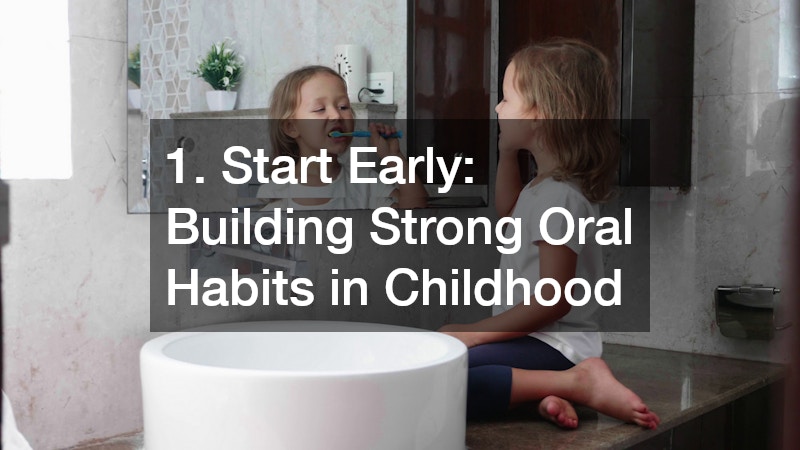
Childhood is where the foundation is laid. Cavities in baby teeth are not ”just temporary problems.” They influence speech development, nutrition, and even how permanent teeth erupt.
The first step is timing. A child should see a general dentist by their first birthday or within six months of the first tooth appearing. These early visits are not just about checking for cavities. They’re about creating familiarity, reducing fear, and tracking developmental patterns.
Parents often wait until something looks wrong—but preventive care is far easier than corrective care.
As children grow, spacing, bite alignment, and jaw development become more important. Around age 7, many families are advised to have their child evaluated by a pediatric orthodontist. This doesn’t mean braces are automatically needed. It simply allows a trained eye to monitor growth patterns and intervene early if necessary.
At home, prevention is simple but requires supervision:
- Brush twice daily using a smear (for toddlers) or pea-sized (for older children) amount of fluoride toothpaste.
- Floss as soon as two teeth touch.
- Avoid sending children to bed with milk or juice.
- Offer water between meals to rinse away sugars.
Nutrition plays a major role. Sticky snacks and constant grazing can be more damaging than the occasional dessert. Encourage balanced meals instead of frequent nibbling. And perhaps most importantly, model the behavior. When children see parents brushing and flossing consistently, they are far more likely to follow suit.
Childhood is not about perfection. It’s about creating routines that feel normal.
2. Help Teens Protect Teeth During Orthodontic Years
The teenage years introduce new challenges. Braces, aligners, sports, social pressures, and busy schedules can all complicate oral care.
When a pediatric orthodontist places braces, it creates small ledges and spaces where plaque loves to hide. Teens often brush quickly, assuming that more time automatically equals better results. In reality, technique matters more than duration.
Encourage teens to:
- Use an orthodontic toothbrush or electric toothbrush with a small head.
- Angle the brush above and below the brackets.
- Floss daily using floss threaders or water flossers.
- Rinse with fluoride mouthwash at night.
Sports injuries are another concern. A custom mouthguard can prevent chipped or knocked-out teeth during contact sports. This small step can save years of corrective work.
Teenagers may also become increasingly aware of their appearance. It’s common to ask about whitening or cosmetic improvements. While cosmetic dentistry can enhance confidence, it’s important to approach these conversations conservatively. Whitening treatments are typically best delayed until orthodontic treatment is complete and enamel has matured.
This stage is about balance—helping teens care about their appearance without sacrificing long-term health for short-term trends.
3. Support Digestive and Dental Health in Young Adults
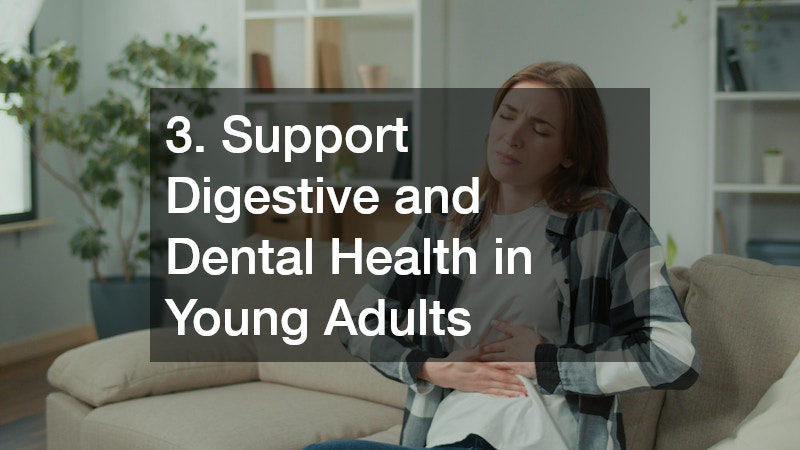
In your 20s and 30s, lifestyle shifts can quietly impact your teeth. Busy schedules, late nights, coffee habits, and stress all add up.
One often-overlooked factor is digestive health. Acid reflux, for example, can gradually erode enamel from the inside out. Many people don’t realize that heartburn can weaken teeth until a general dentist points out signs of erosion.
If you experience frequent reflux:
- Avoid brushing immediately after an episode (this can spread acid across enamel).
- Rinse with water or a baking soda solution first.
- Limit acidic drinks like energy drinks and citrus water.
- Discuss persistent symptoms with a medical professional.
Stress is another silent contributor. Grinding and clenching—especially at night—can flatten teeth and cause jaw pain. You might wake up with headaches without realizing your teeth are under strain.
A custom night guard from your dentist can protect enamel from long-term wear. It’s a small investment compared to repairing cracked or worn-down teeth later.
Young adulthood is often about juggling responsibilities. Protecting your smile during this time means noticing subtle warning signs before they escalate.
4. Prevent Gum Disease Before It Becomes Advanced
Gum disease rarely starts with dramatic symptoms. It begins quietly—bleeding while brushing, mild tenderness, and slight bad breath. These small signs are easy to ignore.
Left untreated, inflammation can progress beneath the gumline, destroying the structures that hold teeth in place. In severe cases, bone grafting may be necessary to rebuild lost support. In even more advanced situations, missing teeth may need replacement with dental implants.
But most of this is preventable.
The key is early intervention. Here’s what to watch for:
- Gums that bleed regularly
- Persistent bad breath
- Receding gumlines
- Teeth that feel slightly loose
Daily flossing removes plaque where brushing cannot reach. Professional cleanings remove hardened tartar. If gum pockets deepen, scaling and root planing can stop progression before surgery is ever needed.
Smoking and vaping significantly accelerate gum disease. If quitting feels overwhelming, talk to your healthcare provider about support options. Your gums will thank you.
Prevention here isn’t glamorous—but it’s powerful. Protecting gum health preserves not just your smile, but the foundation beneath it.
5. Protect Your Smile During Pregnancy and Parenthood

Pregnancy introduces hormonal shifts that can make gums more sensitive and prone to bleeding. Some women develop pregnancy gingivitis even if they’ve never had gum problems before.
Seeing a general dentist during pregnancy is safe and encouraged. Routine cleanings help manage inflammation and prevent infection. Always inform your dental provider about your pregnancy so they can tailor care appropriately.
Morning sickness presents another challenge. Frequent vomiting exposes teeth to stomach acid. If this occurs:
- Rinse with water or a baking soda solution.
- Wait 30-60 minutes before brushing.
- Use a soft-bristled toothbrush.
Parenthood also introduces logistical hurdles. Finding time for appointments while juggling childcare can feel overwhelming. In some communities, medical transportation services help families attend healthcare visits when driving is not feasible.
Access to care matters. Delaying treatment due to scheduling stress can lead to bigger issues later. Even short appointments every six months can prevent larger disruptions.
Parenthood is demanding. Protecting your smile during this season means adapting—not abandoning—your care routine.
6. Maintain a Bright Smile Without Damaging Enamel
As adults move into their 30s and 40s, many begin thinking more about aesthetics. Coffee, tea, and red wine may have left subtle stains. Social media filters can raise expectations.
Before reaching for strong whitening strips, pause. Overuse of abrasive or highly concentrated whitening products can thin enamel and increase sensitivity.
If you’re considering cosmetic dentistry, start with a professional consultation. A provider can assess whether discoloration is surface-level or deeper within the tooth structure. Professional treatments are generally safer and more controlled than DIY options.
Facial skin treatments are also increasingly common. Procedures like microneedling can improve skin texture and collagen production, indirectly enhancing how your smile looks within the context of your overall face. While these treatments don’t change teeth, they can complement a well-maintained smile.
The safest approach to brightness includes:
- Regular cleanings
- Limiting stain-heavy beverages
- Drinking dark liquids through a straw
- Avoiding tobacco
- Using whitening products only as directed
A bright smile should never come at the cost of weakened enamel.
7. Protect Teeth as Facial Structure Changes With Age
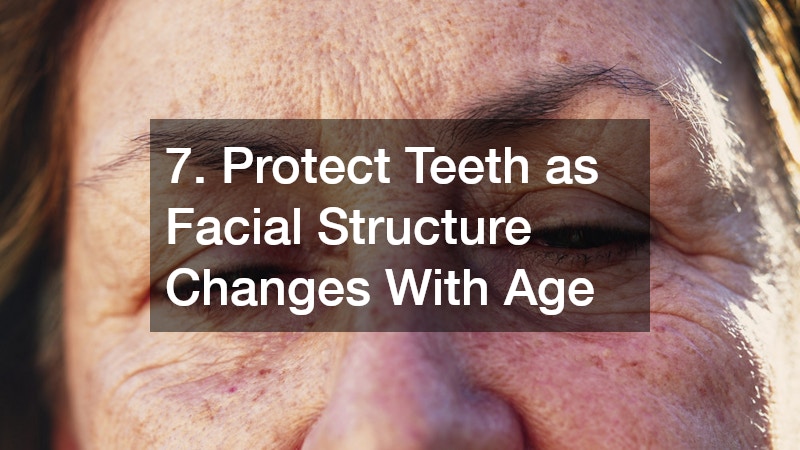
Aging affects more than skin. Jaw alignment, bite patterns, and soft tissue support all shift over time.
Collagen loss can subtly change how lips frame teeth. Years of clenching may alter bite height. Tooth wear can shorten the appearance of teeth.
Some individuals explore cosmetic facial procedures, such as a face lift, to address sagging skin. While these procedures focus on facial tissues, changes in facial structure can influence how the smile appears. In certain cases, coordination between a plastic surgeon and dental professionals ensures aesthetic harmony.
Beyond appearance, functional concerns matter more. Teeth that have worn down significantly may require restorative care to protect remaining enamel. Jaw pain, clicking, or difficulty chewing should not be dismissed as ”just aging.”
If you notice changes in how your teeth fit together, schedule an evaluation. Small bite adjustments early on can prevent fractures and discomfort later.
Aging gracefully includes caring for the structural integrity of your smile—not just its surface appearance.
8. Strengthen Enamel and Prevent Dry Mouth in Midlife
By midlife, many adults take medications for blood pressure, allergies, or other chronic conditions. Unfortunately, numerous medications reduce saliva production.
Saliva is essential. It neutralizes acids, washes away food particles, and supports digestive health by beginning the breakdown of food. Without adequate saliva, cavity risk rises sharply.
If you experience dry mouth:
- Sip water frequently.
- Use sugar-free lozenges to stimulate saliva.
- Avoid alcohol-based mouthwashes.
- Consider prescription-strength fluoride toothpaste.
Chronic dryness can increase the likelihood of severe decay that eventually requires extensive restorative procedures, sometimes including dental implants. Preventing this progression is far simpler than rebuilding lost structure.
Regular dental checkups allow providers to detect early signs of enamel weakening. Fluoride treatments and sealants may still be beneficial in adulthood.
Midlife is about maintenance. Supporting your body’s natural defenses keeps your teeth resilient.
9. Safeguard Oral Health in Your Senior Years
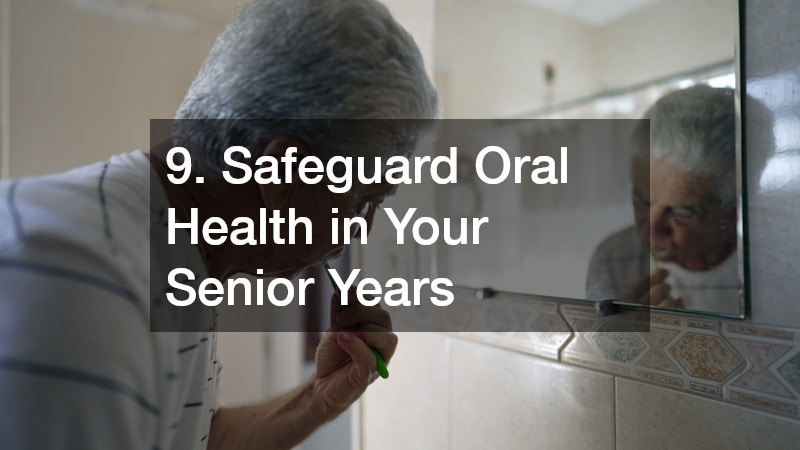
In later decades, bone density naturally declines. The jaw is no exception. When teeth are lost and not replaced, the underlying bone can shrink over time.
In some restorative cases, bone grafting is used to rebuild areas of lost density. But the best strategy is preservation—keeping natural teeth healthy for as long as possible.
Seniors should also:
- Monitor for oral cancer through regular screenings.
- Check dentures for proper fit.
- Maintain consistent cleanings even if no pain is present.
Transportation barriers can become more common with age. Community-based medical transportation programs often help seniors attend routine healthcare visits, including dental appointments. Consistency remains crucial at every age.
Falls are another concern. Protecting your smile includes reducing home hazards, improving lighting, and wearing supportive footwear to minimize injury risk.
Oral health in senior years is deeply connected to overall quality of life—supporting nutrition, speech, and social confidence.
10. Create a Lifelong Oral Care Plan
No two smiles age in exactly the same way. Genetics, diet, habits, and access to care all shape outcomes. Even siblings raised in the same household can experience very different dental challenges over time. One person may be prone to cavities despite diligent brushing, while another may struggle more with gum recession or enamel wear. Paying attention to your personal patterns matters more than comparing yourself to anyone else.
Establishing a long-term relationship with a general dentist creates continuity. Your provider can track subtle changes over time, making early intervention possible. Instead of reacting to sudden pain, you’re identifying trends—slight shifts in bite alignment, gradual gum changes, or emerging sensitivity—before they become complex issues.
For those considering aesthetic improvements, cosmetic dentistry should be approached strategically. Small enhancements—like bonding or reshaping—can often achieve meaningful improvements without aggressive procedures. Thoughtful planning helps preserve natural tooth structure while still improving confidence.
Consider creating a personal dental roadmap:
- Schedule exams every six months (or as recommended).
- Replace toothbrushes every three months.
- Track sensitivity or bleeding changes.
- Address small chips or cracks early.
- Reassess cosmetic goals every few years.
You might even keep a simple note in your phone documenting any changes you notice between visits. That small habit can make appointments more productive and personalized.
Planning doesn’t eliminate surprises—but it dramatically reduces them.
Protecting your smile isn’t about reacting to emergencies. It’s about building habits that evolve with you. From childhood checkups to senior-year screenings, each stage offers opportunities to prevent rather than repair.
Small daily actions—brushing carefully, flossing consistently, attending regular appointments—create compounding benefits over decades. And when life changes, your care strategy can change with it.
No matter your age today, the best time to strengthen your smile is now.