 By admin
Modern dental care is more comprehensive than many families realize. Maintaining healthy teeth and gums requires more than daily brushing and flossing; it also involves preventive visits, early diagnosis, and the right treatments at the right time. Dental professionals now offer a wide range of services designed to support patients at every stage of life, from infants and children to adults and seniors. Understanding how these services work together can help families make confident decisions about their oral health.
Advancements in technology, treatment techniques, and education have made dental care more comfortable and accessible than ever. Today’s practices emphasize prevention as much as treatment, helping patients avoid serious problems whenever possible. From improving the appearance of a smile to restoring damaged teeth or correcting alignment issues, dental professionals focus on long-term oral health and overall well-being. These services often work together to address both functional and cosmetic concerns.
Families also benefit from coordinated care that considers the needs of every household member. Children may require specialized monitoring as their teeth develop, while adults might need restorative procedures or cosmetic improvements. Some conditions require early evaluation, while others may arise unexpectedly and require prompt attention. Having a clear understanding of common dental procedures and services makes it easier to know what to expect when visiting a dental office.
This guide explores several key areas of modern dentistry that families may encounter. From cosmetic treatments to restorative procedures and preventive care, each section explains how specific services contribute to maintaining a healthy, confident smile. By learning more about these options, families can take a proactive approach to oral health and ensure everyone receives the care they need.
Brightening Your Smile Safely and Effectively

A bright smile is often associated with confidence and good oral hygiene. Over time, however, teeth can become stained or discolored due to factors such as coffee, tea, red wine, tobacco use, and certain medications. Age also plays a role, as enamel naturally thins and reveals the darker dentin beneath. Professional teeth whitening treatments are designed to safely remove or lighten these stains, helping restore a more vibrant appearance.
Many people try over-the-counter products first, but professional treatments typically provide stronger and more consistent results. Dental professionals evaluate the cause of discoloration before recommending the most effective approach. In-office procedures can deliver noticeable results in a single visit, while take-home options allow gradual improvement under professional supervision. Both options prioritize safety and enamel protection.
Not everyone is an ideal candidate for whitening treatments. Individuals with certain restorations, gum sensitivity, or underlying dental conditions may need alternative solutions. A dental consultation helps determine whether whitening is appropriate and ensures the treatment aligns with the patient’s oral health needs.
When performed under professional guidance, whitening can be a safe and effective way to enhance the appearance of a smile. It also encourages many patients to maintain better oral hygiene habits to preserve their results.
When Removing a Tooth Becomes the Best Option
Although preserving natural teeth is always the primary goal, there are situations where removing a tooth becomes necessary to protect overall oral health. Severe decay, infection, trauma, or advanced gum disease may damage a tooth beyond repair. In these cases, a tooth extraction may prevent the spread of infection and relieve persistent pain.
Crowding is another common reason a tooth may need to be removed. In some cases, extractions create space that allows other teeth to move into proper alignment during orthodontic treatment. Impacted wisdom teeth may also require removal if they cause discomfort or increase the risk of infection.
Modern dental techniques make extractions far more comfortable than many people expect. Dentists use advanced imaging and anesthesia to ensure the procedure is carefully planned and performed with minimal discomfort. Patients also receive detailed aftercare instructions to support proper healing.
Following an extraction, dental professionals often discuss replacement options such as implants, bridges, or partial dentures. Replacing a missing tooth can help maintain proper bite alignment and prevent surrounding teeth from shifting.
Restoring Strength and Protection to Damaged Teeth
Teeth can become weakened by decay, fractures, or large fillings that no longer provide sufficient support. When a tooth requires reinforcement, a dental crown is often recommended. This restoration acts like a protective cap placed over the tooth, restoring its strength, shape, and function.
Crowns are commonly used after root canal treatment, when a tooth has been severely worn down, or when a large portion of the structure has been lost. They are crafted from durable materials such as porcelain, ceramic, or metal alloys, depending on the location of the tooth and the patient’s needs. Modern crowns are designed to blend naturally with surrounding teeth while providing long-lasting durability.
The process usually involves preparing the tooth, taking impressions, and placing a custom-made restoration. Advances in dental technology have improved the precision and comfort of this procedure. In some practices, digital scanning allows for more accurate fitting and faster turnaround times.
By covering and reinforcing compromised teeth, crowns help prevent further damage and restore normal chewing function. They are an important part of restorative dentistry, helping patients maintain their natural smiles for as long as possible.
The Role of Professionals in Maintaining Oral Health
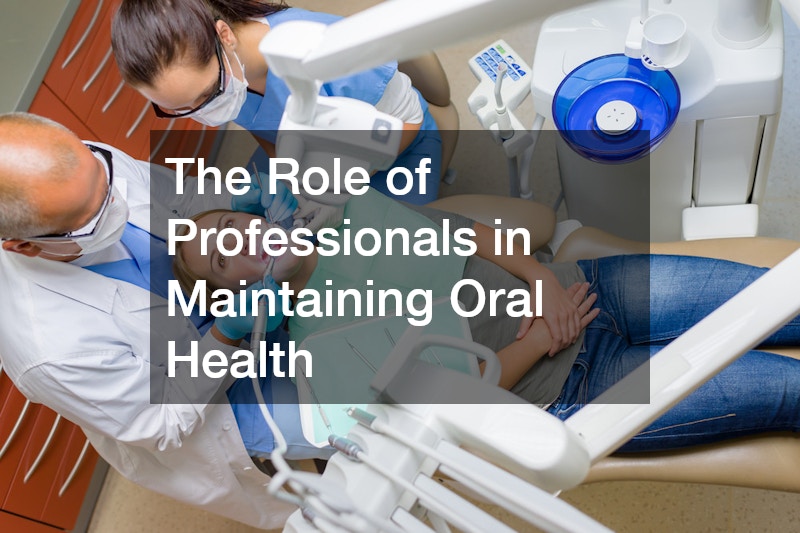
Dental professionals play a critical role in preventing, diagnosing, and treating oral health conditions. Regular visits allow dentists to detect problems early, often before symptoms appear. Early intervention can prevent minor concerns from developing into more complex and costly issues.
During routine examinations, dentists evaluate teeth, gums, and surrounding tissues to identify signs of decay, gum disease, or structural damage. They may also take diagnostic images to detect hidden concerns such as infections or impacted teeth. Preventive cleanings help remove plaque and tartar buildup that daily brushing cannot eliminate.
Beyond clinical treatments, dentists also educate patients about proper hygiene practices. Guidance on brushing techniques, flossing, and dietary habits can significantly reduce the risk of oral health problems. This educational role helps patients maintain healthier smiles between visits.
Consistent dental care supports not only oral health but also overall wellness. Research continues to highlight connections between oral health and conditions such as heart disease and diabetes, emphasizing the importance of routine professional care.
Early Oral Care for Children’s Growing Smiles
Children’s dental needs differ from those of adults, which is why specialized providers focus on early development and prevention. Pediatric dentists receive additional training that prepares them to care for infants, toddlers, and adolescents. Their goal is to ensure that children’s teeth and jaws develop properly while creating positive experiences with dental care.
Early visits allow professionals to monitor tooth eruption, identify potential issues, and provide guidance for parents. Preventive services such as fluoride treatments and dental sealants help protect young teeth from cavities. Pediatric specialists also educate families about proper brushing habits and nutrition.
A child’s first dental experiences can shape their attitude toward oral health for years to come. Offices designed for children often use engaging environments and gentle techniques to make appointments less intimidating. This supportive approach helps children feel more comfortable during visits.
By establishing healthy habits early, families can reduce the risk of dental problems later in life. Preventive care during childhood lays the foundation for lifelong oral health.
Coordinated Care for Every Member of the Household
Many families prefer dental practices that treat patients of all ages. Family dentists offer comprehensive care designed to meet the needs of children, teens, adults, and seniors in a single location. This approach simplifies scheduling and ensures continuity of care over time.
Having one dental team familiar with a family’s oral health history can improve communication and treatment planning. Dentists can monitor patterns that may affect multiple family members, such as genetic conditions or shared lifestyle habits. This knowledge helps them provide more personalized recommendations.
Family-focused practices typically offer a wide range of services, including preventive care, restorative treatments, and cosmetic procedures. This variety allows patients to receive many types of treatment without needing to visit multiple specialists.
For busy households, coordinated care provides both convenience and consistency. It allows families to build long-term relationships with dental professionals who understand their individual needs.
Correcting Alignment and Bite Issues

Proper alignment of teeth and jaws plays an important role in both oral function and appearance. When teeth are crowded, spaced unevenly, or misaligned, patients may experience difficulty chewing, speaking, or maintaining proper hygiene. Orthodontics focuses on correcting these issues by gradually guiding teeth into their proper positions.
Traditional braces remain a reliable solution for many alignment problems. However, modern orthodontic technology has introduced additional options such as clear aligners and less visible bracket systems. These alternatives provide more discreet treatment while still achieving effective results.
Orthodontic treatment is often recommended during childhood or adolescence, but many adults also seek corrective care. Addressing alignment problems can improve both oral health and self-confidence. Properly aligned teeth are easier to clean and may reduce the risk of cavities and gum disease.
A consultation helps determine the most appropriate treatment plan based on the patient’s specific needs. With careful planning and monitoring, orthodontic care can create lasting improvements in both function and appearance.
Creating a Comfortable and Supportive Treatment Experience
The experience patients have during dental visits can significantly influence their willingness to maintain regular care. Modern practices place strong emphasis on high-quality patient care, focusing on comfort, communication, and individualized treatment planning. This approach helps reduce anxiety and encourages patients to stay consistent with appointments.
Dental teams often take time to explain procedures, answer questions, and discuss treatment options in detail. Understanding what to expect allows patients to feel more confident and involved in their care decisions. Many offices also use modern equipment designed to improve comfort and efficiency during procedures.
A supportive environment is particularly important for patients who feel nervous about dental treatment. Techniques such as gentle care methods, calming office environments, and flexible scheduling help make visits more manageable.
By prioritizing patient comfort and communication, dental professionals create an atmosphere that supports long-term oral health. Positive experiences encourage individuals and families to view dental care as an essential part of overall wellness.
Identifying and Treating Oral Tissue Restrictions
Certain oral conditions can affect speech, feeding, and oral development. One example is tongue tie, a condition where the tissue connecting the tongue to the floor of the mouth is unusually tight or short. This restriction can limit tongue movement and sometimes interfere with breastfeeding, speech development, or oral function.
In infants, tongue tie may make it difficult to latch properly during feeding. As children grow, the restriction may affect pronunciation or oral coordination. Early evaluation by dental or medical professionals can help determine whether treatment is necessary.
When intervention is recommended, the procedure is typically quick and minimally invasive. Advances in technology allow many providers to perform the correction with precise techniques that minimize discomfort and promote faster healing.
Recognizing the signs early can make a significant difference in a child’s development and comfort. Prompt evaluation ensures families receive appropriate guidance and treatment when needed.
Oral Health Considerations for Your Pets

Oral health is not only important for humans but also for the animals that share our homes. Proper pet dental care helps prevent common problems such as plaque buildup, gum disease, and tooth infections in dogs and cats. These issues can affect an animal’s ability to eat comfortably and may lead to more serious health concerns if left untreated.
Veterinarians often recommend routine dental examinations as part of a pet’s overall health care plan. Professional cleanings may be necessary to remove tartar and address developing problems. Pet owners can also support oral health at home through regular brushing and specialized dental treats or toys.
Recognizing signs of dental discomfort in pets is important. Bad breath, difficulty chewing, and visible swelling around the mouth may indicate underlying issues. Prompt veterinary attention can prevent complications and improve the animal’s quality of life.
By including dental care in a pet’s routine health maintenance, owners help ensure their companions remain healthy and comfortable. Just like human oral health, prevention plays a key role in maintaining long-term wellness.
Building Lifelong Healthy Smiles for the Whole Family
Modern dental care provides families with ample resources to maintain healthy smiles. From preventive checkups to restorative and specialized treatments, dental services cover a wide range of needs. Understanding how these services work together helps families make informed decisions and encourages a proactive, prevention-focused approach.
Each life stage presents unique dental considerations. Children benefit from early monitoring and guidance as teeth develop, while adults may require restorative treatments. Specialized procedures address specific concerns affecting comfort, function, or long-term health. Staying informed about available services better prepares families for changes in their dental needs.
Consistency is crucial for healthy teeth and gums. Regular visits allow professionals to monitor oral health, detect concerns early, and recommend treatments. These appointments also reinforce hygiene habits supporting long-term wellness. Preventive care significantly reduces the risk of complex problems over time.
A comprehensive approach to dentistry considers the needs of the entire household. Coordinated care fosters lasting relationships with professionals who understand health history and goals. Combining education, prevention, and advanced treatments, modern dental care helps protect smiles for years to come.