 By Oral Hygiene Made Simple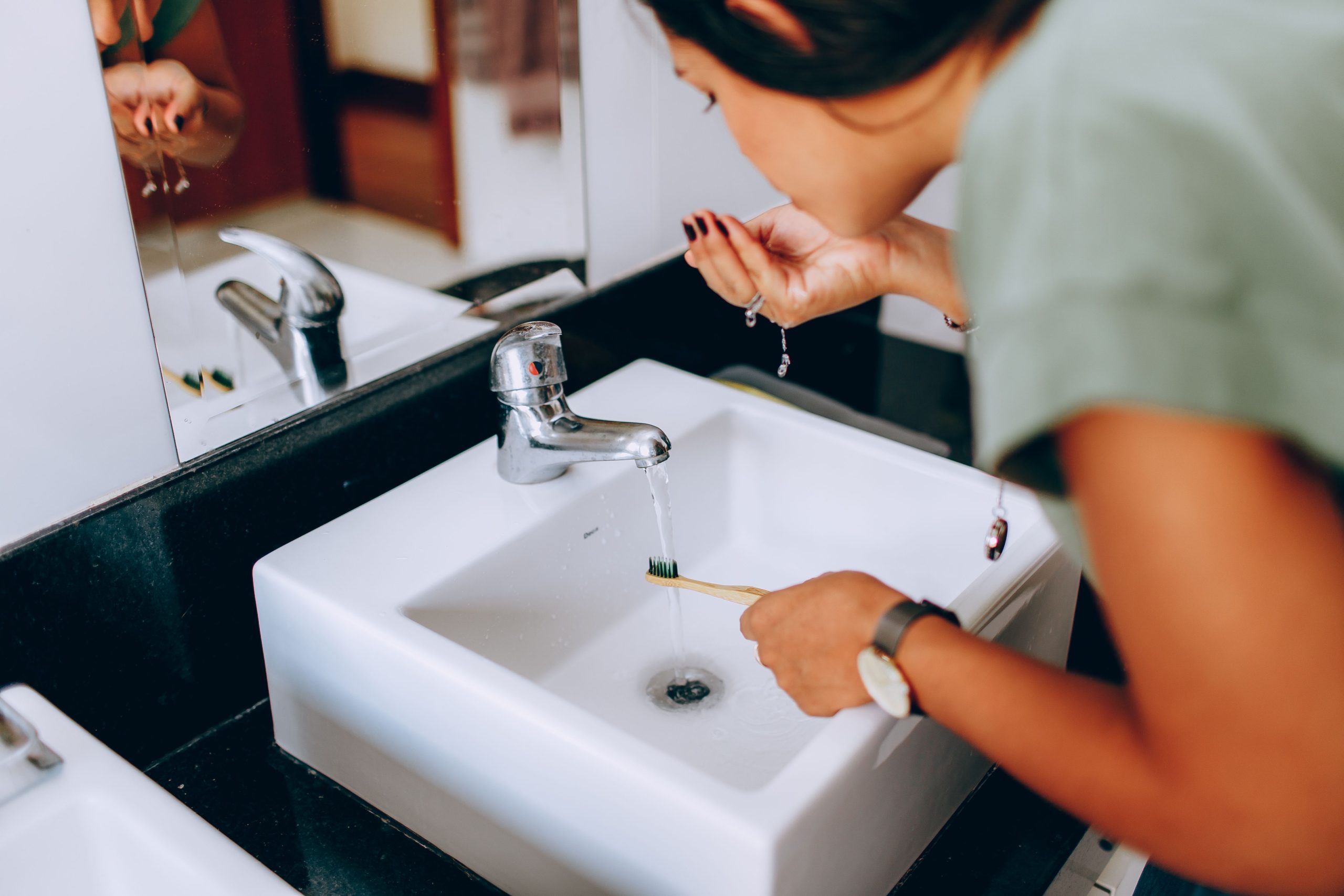
Highlights:
- Rinsing with water right after brushing dilutes and washes away the concentrated fluoride left behind by toothpaste, cutting short the time it has to strengthen enamel.
- The better technique is to spit out excess toothpaste and skip the water swish entirely, letting the residue linger on your teeth.
- A 2026 crossover trial on 6-year-olds found meaningfully higher salivary fluoride levels in kids who didn’t rinse compared to those who did, especially in the first minute after brushing.
- A University of Michigan trial updated in 2026 is still digging into how different toothpaste strengths and mouthrinse combinations affect fluoride availability, showing this is an active area of research even beyond the basic rinse-or-don’t-rinse question.
- Using mouthwash immediately after brushing can undercut the same fluoride benefit as a water rinse, since most mouthwashes are far less concentrated than toothpaste — it’s better to use it at a separate time of day.
- Young children still need supervision and appropriate toothpaste amounts, since the concern about swallowing fluoride is different for developing swallowing reflexes than it is for older kids and adults.
- Small habits like using too much toothpaste, brushing for less than two minutes, or eating/drinking right after brushing can quietly cancel out the benefit even if you’ve dropped the rinsing habit.
You have probably done it a thousand times without thinking twice: brush, spit, then swish some water around and rinse it all away. It feels clean. It feels normal. It is also, according to a growing pile of dental research, probably working against you.
The rinsing habit is one of those things nobody ever questions because it was drilled into us as kids. But dentists and researchers have been quietly building a case that the last 15 seconds of your brushing routine matter just as much as the two minutes you spend scrubbing. Get that final step wrong, and you can undo a good chunk of the benefit from the fluoride toothpaste you just used.
This article breaks down what is actually happening in your mouth after you brush, walks through two fresh 2026 data points from separate research teams, and lays out exactly what to do instead of rinsing so you are not left guessing.
It sounds like a minor detail, almost too small to write a whole article about. But dentists keep bringing it up for a reason. The gap between “brushed correctly” and “brushed correctly and then accidentally undid half the benefit” often comes down to those last few seconds at the sink.
Why We All Learned to Rinse in the First Place
Most of us picked up the rinse-with-water habit from a parent, a school nurse, or a cartoon toothbrushing chart taped to a bathroom wall. It made sense on the surface. Toothpaste is foamy, it tastes strong, and swallowing a mouthful of it feels wrong. So we were taught to swish and spit to get rid of the excess.
That advice was not baseless. For young kids especially, minimizing how much toothpaste gets swallowed is a real concern, since swallowing too much fluoride during the years teeth are forming can contribute to a cosmetic condition called fluorosis. But the habit stuck around into adulthood, long after it stopped serving the purpose it was meant for.
Here is the problem: the same rinsing that limits swallowed toothpaste also flushes out the fluoride that is supposed to stay behind and protect your enamel.
Add to that the fact that a lot of us were taught brushing technique by watching a parent do it, not by reading a dental journal, and it is easy to see how a habit meant for toddlers got passed down unchanged into adult routines where it no longer makes as much sense.
What Fluoride Is Actually Doing in Your Mouth
To understand why rinsing matters, it helps to know what fluoride does once it is on your teeth. Your enamel is under a constant, low-grade chemical attack. Bacteria in plaque feed on sugars and starches and release acids as a byproduct. Those acids pull minerals out of your enamel in a process called demineralization. Saliva and minerals in your diet can push some of that mineral back in, a process called remineralization, but the outcome depends on which side wins.
Fluoride tips that balance in your favor. It slows down the mineral loss during an acid attack and speeds up the rebuilding process afterward. When enamel remineralizes in the presence of fluoride, it forms a tougher, more acid-resistant structure than it would otherwise. That protective effect is strongest when there is a steady, lingering supply of fluoride available in your saliva and on your tooth surfaces, not just a quick burst that gets rinsed away.
That lingering supply is exactly what a water rinse interrupts.
Think of it a bit like applying sunscreen and then jumping straight into a pool before it has had a chance to absorb. The product was applied correctly, but the follow-up action washes off most of what was just put on. Fluoride works on a similar timeline, needing a stretch of uninterrupted contact time to do its job well.
What Happens When You Rinse With Water Right After Brushing
Toothpaste contains a concentrated dose of fluoride, far higher than what your saliva normally holds. Right after brushing, that fluoride sits in a thin residual layer coating your teeth and mixed into your saliva. Left alone, it continues releasing fluoride ions that interact with your enamel for a while after you have finished brushing.
When you rinse with a mouthful of water, you dilute that concentrated layer almost immediately. Instead of a slow, sustained release, you get a short spike followed by a rapid drop back toward baseline. Researchers describe this as clearance: the faster your saliva clears fluoride out of your mouth, the shorter the window your enamel has to actually benefit from it.
A few consistent patterns show up across the research on this topic:
- Rinsing with a larger volume of water washes out more fluoride than a small rinse does.
- How long you rinse matters less than how much liquid you use.
- Fluoride that stays in the mouth without rinsing tends to remain detectable in saliva for much longer, sometimes past the half-hour mark, compared to a sharp drop when water is used.
- The effect shows up whether the rinse is plain water or a mouthwash used immediately afterward, since most mouthwashes contain far less fluoride than toothpaste does.
None of this means rinsing is dangerous. It just means it works against the exact mechanism that makes fluoride toothpaste effective in the first place.
What a 2026 Study on Kids Found
One of the clearer 2026 data points on this subject comes from a crossover trial published in the International Journal of Paediatric Dentistry, led by researcher J. Wongmuneeworn and colleagues, looking specifically at 6-year-olds. The study compared salivary fluoride levels in children who brushed with sodium fluoride toothpaste and then rinsed with water against children who brushed and simply spat out the excess without rinsing.
The researchers tracked fluoride concentration in saliva over time using an ion-specific electrode, a standard tool for measuring fluoride levels precisely. Averaged across the whole observation period, the children who skipped the rinse showed a notably higher salivary fluoride concentration than the group that rinsed, a difference that reached statistical significance. The gap was even more pronounced at the one-minute mark right after brushing, where the no-rinse group’s fluoride levels were meaningfully higher with a very strong statistical result.
What makes this particular study worth paying attention to is the age group. Most fluoride retention research over the years has focused on adults or teenagers, since younger children are more likely to swallow toothpaste and researchers have historically been cautious about testing rinse-free protocols on them. This 2026 trial adds direct evidence that the same rinse-versus-no-rinse pattern holds true even for young school-age kids, not just grown adults with more developed swallowing control.
Why Researchers Are Still Testing New Combinations
The second 2026 data point comes from a different angle entirely. A clinical trial registered through the University of Michigan, led by principal investigator Livia Tenuta of the university’s School of Dentistry, was updated on the federal ClinicalTrials.gov registry in March 2026. The trial set out to measure how much fluoride actually stays bioavailable in saliva depending on the exact combination of toothpaste strength and mouthrinse use.
Rather than a simple rinse-or-no-rinse comparison, the design is more nuanced. Twenty adult participants rotated through four different combinations in a crossover format: a standard over-the-counter toothpaste around 1,100 ppm fluoride, a stronger prescription-strength toothpaste around 5,000 ppm fluoride, and each of those either followed immediately by an over-the-counter fluoride mouthrinse or not followed by one at all.
The reason this kind of study matters is that it moves the conversation past the basic question of “should I rinse” and into more practical territory that a lot of people actually deal with, like whether adding a fluoride mouthwash into the mix changes the calculation, or whether people using a high-strength prescription toothpaste for cavity control need to think about the routine differently than someone using a standard tube from the drugstore. The fact that a major dental school felt this question was still worth a fully controlled factorial trial in 2026 tells you the science on the finer details is still being worked out, even though the broad recommendation to avoid a big water rinse has been fairly settled for years.
So, Should You Just Stop Rinsing Completely?
Based on where the research consistently lands, yes, for most people the better move is to spit out the extra toothpaste and leave it at that. No swishing with a cup of water, no immediately following up with mouthwash.
That said, a few caveats are worth keeping in mind:
- This advice is aimed at fluoride toothpaste specifically. If you are using a non-fluoride toothpaste for some reason, rinsing behavior does not matter in the same way.
- Very young children who cannot reliably spit without swallowing a meaningful amount of toothpaste are a different case, and a dentist or pediatrician should guide how much toothpaste to use and how brushing is supervised.
- If a strong toothpaste flavor genuinely bothers you and rinsing is the only way you will tolerate brushing consistently, brushing with a rinse is still far better than skipping brushing altogether. Consistency matters more than any single technique tweak.
The Right Way to Finish Brushing
If you want a simple routine to actually follow, here is the sequence that lines up with what the evidence supports:
- Brush for a full two minutes with a fluoride toothpaste, covering all surfaces including the gumline and back molars.
- Spit out the excess toothpaste into the sink.
- Resist the urge to swish water around your mouth right after spitting.
- Avoid using mouthwash in that same window, since it can rinse away the same fluoride residue you are trying to preserve. If you use mouthwash, save it for a different time of day, separated from brushing by at least 30 minutes.
- Try to avoid eating or drinking for a short while afterward so the fluoride has time to sit on your teeth without being washed off by food or liquid.
It takes a little getting used to. Most people describe a lingering minty or foamy feeling in their mouth for a bit longer than they are used to, and that is normal. It fades on its own.
What About Mouthwash?
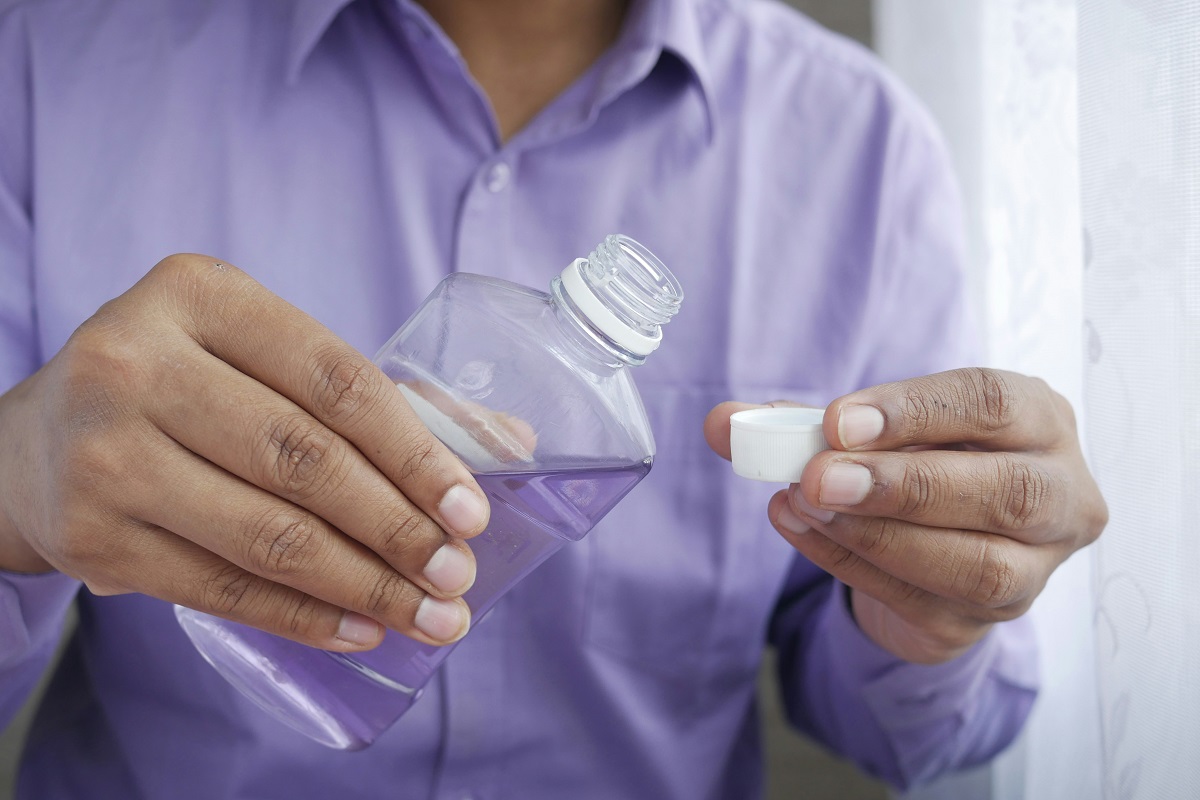
Mouthwash confuses a lot of people because it seems like it should only help. It smells clean, it kills bacteria, and plenty of brands market a fluoride version as an extra layer of cavity protection. The timing is where things get complicated.
Using a fluoride mouthwash immediately after brushing runs into the same clearance problem as rinsing with plain water. Most mouthwashes carry a much lower fluoride concentration than toothpaste does, so swishing one around right after brushing effectively dilutes the stronger toothpaste residue with a weaker solution and washes a good portion of it away. You are not getting zero benefit, but you are trading a strong, lingering dose for a weaker, shorter one.
The fix is simple: separate the two habits by time instead of stacking them back to back. Use mouthwash at a different point in the day, such as after lunch or before bed on a night when you already brushed earlier, so each product gets its own uninterrupted window to work. Non-fluoride mouthwashes aimed at breath freshening or gum health are less of a concern here, since they are not competing with toothpaste for the same job.
Does the Advice Change Depending on Your Age?
The core recommendation to skip rinsing stays consistent from childhood through the senior years, but the details around it shift a bit depending on the life stage. Toddlers and very young kids need a rice-grain or pea-sized amount of toothpaste and close supervision, since swallowing control is still developing. School-age children, like the group studied in the 2026 crossover trial mentioned above, can generally spit reliably and benefit from the same no-rinse approach adults use.
Older adults, particularly those dealing with dry mouth from medications or age-related changes in saliva production, may benefit even more from letting fluoride linger, since reduced saliva flow already means less natural fluoride circulation to begin with. Thinking about maintaining good oral health at every age means recognizing that the fundamentals barely change, even as the fine print around dosage and supervision does.
Common Mistakes That Cancel Out the Benefit
Even people who have heard the “don’t rinse” advice sometimes undo it without realizing:
- Grabbing mouthwash right after brushing out of habit, which rinses away the exact residue you just tried to preserve.
- Using way more toothpaste than needed, which does not add extra protection and just makes the no-rinse feeling more intense, leading people to rinse anyway out of discomfort.
- Drinking coffee, juice, or water immediately after brushing, which has a similar diluting effect to a direct rinse.
- Brushing for less than two minutes, which reduces how much fluoride gets deposited in the first place regardless of what you do afterward.
- Using an old, expired, or non-fluoride toothpaste and assuming the rinsing advice still applies the same way, when the whole point is preserving fluoride specifically.
Small habits like these are easy to overlook, but they are often the reason someone follows the “spit, don’t rinse” rule and still does not notice much difference in their cavity risk over time.
It also helps to check in with a dentist about your specific risk level. Someone with a history of frequent cavities, orthodontic work, or dry mouth from medication may get more benefit from these small adjustments than someone with naturally low cavity risk and strong enamel, so it is worth asking at your next cleaning whether your routine matches your needs.
Wrapping It Up
The evidence from 2026 research, including the pediatric crossover trial published in the International Journal of Paediatric Dentistry and the ongoing factorial trial out of the University of Michigan, keeps pointing in the same direction: a water rinse right after brushing washes away a meaningful chunk of the fluoride your toothpaste just delivered. The fix is not complicated. Brush for two full minutes, spit out the extra, and let the residue do its job instead of rinsing it down the drain. It is a small adjustment to a habit most of us have had since childhood, but it is one of the easiest, lowest-effort changes you can make to get more out of the toothpaste you are already using every day.